
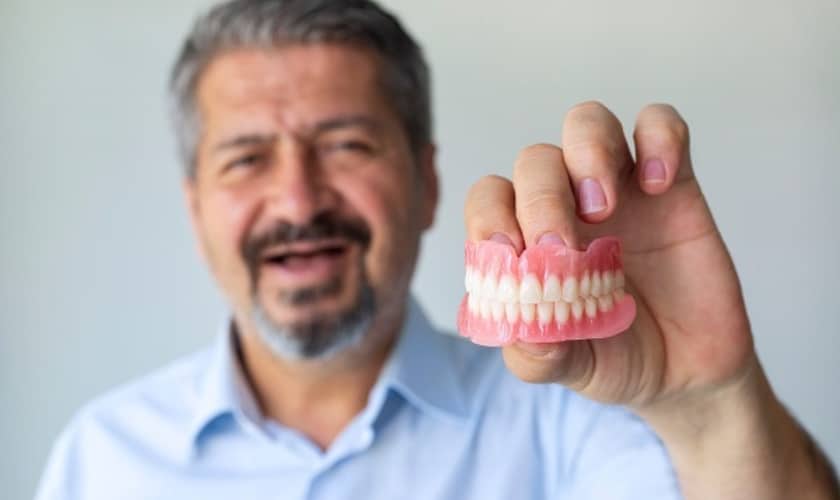
Understanding Denture Relines
A. What is a denture reline?
A denture reline is a procedure that adds a new layer of material to the inner surface of your dentures. This helps to improve the fit and hold of the dentures, addressing any looseness or discomfort that may have developed over time.
B. Why do dentures need relining?
Dentures naturally lose their fit due to several factors:
- Bone resorption: The jawbone naturally shrinks after tooth loss, which can cause the dentures to become loose.
- Wear and tear: Daily use and chewing can gradually wear down the denture base, affecting its fit.
- Age-related changes: Facial muscles and tissues can weaken with age, impacting how well dentures stay in place.
Regular relining is crucial to ensure:
- Improved comfort: A well-fitting denture feels comfortable and secure throughout the day.
- Better chewing function: A secure fit allows for more effective chewing, improving digestion and overall well-being.
- Clearer speech: Loose dentures can affect speech clarity. Relining helps maintain proper speech patterns.
- Enhanced confidence: A comfortable and secure denture allows you to smile, speak, and eat with confidence.
C. Types of denture relines (soft vs. hard)
There are two main types of denture relines:
- Soft relines: These are temporary reliners made of a soft, flexible material. They are typically used for short-term adjustments or immediate relief from minor discomfort.
- Hard relines: These are permanent reliners made of a durable, long-lasting material. They are ideal for addressing more significant fit issues and provide a long-term solution.
The best type of reline for you will depend on your individual needs and the severity of your fit problems. Consult a dentist near you to determine the most suitable option.
D. How often should dentures be relined?
The frequency of denture relines varies depending on individual factors, such as:
- Rate of bone resorption: Some individuals experience faster bone loss, requiring more frequent relines.
- Material of the denture base: Different materials have varying lifespans, influencing reline frequency.
- Wearing habits: Those who wear their dentures frequently or clench their jaw may need relines sooner.
It’s generally recommended to have your dentures professionally checked by your Manvel dentist every 6-12 months. They can assess the fit and advise on the need for relining or other adjustments.
This concludes the first section of the blog post. Let me know when you’d like me to proceed to the next section.
Common Denture Reline Problems
Denture relines are generally a safe and effective procedure, but some occasional problems can arise. Here are some of the most common issues and their solutions:
A. Poor fit:
- Symptoms: Loose dentures that slip or click, difficulty chewing, discomfort when speaking.
- Causes: Bone resorption, wear and tear, inaccurate initial fit.
- Solutions:
- Relining: A new layer of material is added to improve the fit.
- Adjustments: Your dentist in Manvel may adjust the existing denture base to achieve a better fit.
B. Uncomfortable pressure points or irritation:
- Symptoms: Soreness, redness, or burning sensation in specific areas of your gums.
- Causes: Improperly adjusted relining material, uneven pressure distribution.
- Solutions:
- Relining with adjustments: The Manvel dentist refines the reline material to eliminate pressure points.
- Soft liners: Using a soft liner material can provide additional cushioning and comfort.
C. Difficulty with chewing and eating:
- Symptoms: Inability to chew effectively, food particles getting trapped under dentures.
- Causes: Poor denture fit, muscle weakness due to disuse.
- Solutions:
- Relining for improved fit: A secure fit allows for better bite force and food manipulation.
- Facial muscle exercises: Strengthening facial muscles can improve chewing function.
D. Gagging sensitivity:
- Symptoms: Triggering of the gag reflex, especially during denture insertion or removal.
- Causes: Overly extended reline material touching sensitive areas in the mouth.
- Solutions:
- Relining with adjustments: The dentist modifies the reline material to avoid sensitive areas.
- Desensitization techniques: Gradual exposure to the denture can help reduce gagging sensitivity.
- Alternative relining materials: In rare cases, using hypoallergenic materials might be necessary.
E. Bad taste:
- Symptoms: Unpleasant taste or metallic sensation in the mouth.
- Causes: Improper cleaning habits, trapped food particles under the reline material.
- Solutions:
- Improved cleaning routine: Brush and soak dentures regularly with a denture cleanser.
- Professional cleaning: Having your dentist professionally clean your dentures to remove trapped debris.
F. Speech difficulties:
- Symptoms: Slurring of words, difficulty pronouncing certain sounds.
- Causes: Poor denture fit affecting tongue placement and speech articulation.
- Solutions:
- Relining for a better fit: Improved denture stability allows for proper tongue movement.
- Speech therapy: Exercises can help retrain your muscles for clearer speech.
G. Allergic reactions to reline materials:
- Symptoms: Burning sensation, redness, swelling, or itching in the mouth.
- Causes: Allergies to specific components in the reline material.
- Solutions:
- Identifying potential allergens: Consult your dentist in Manvel to determine the possible allergen.
- Alternative relines: Using different reline materials to avoid the allergen.
- Consulting a healthcare professional: Seek guidance from an allergist or dermatologist for severe reactions.
Preventing Denture Reline Problems
Taking proper care of your dentures and attending regular dental checkups can significantly reduce the risk of experiencing reline problems. Here are some key preventive measures:
- Proper denture care and cleaning:
- Brush your dentures daily: Use a soft-bristled toothbrush and a denture cleanser to remove plaque and food debris.
- Soak your dentures overnight: Use a denture-soaking solution recommended by your nearby dentist.
- Handle dentures with care: Avoid dropping or bending your dentures, as this can damage them.
- Schedule regular cleanings: Visit a dentist near you for professional cleanings and checkups every 6-12 months.
- Regular dental checkups and adjustments:
- Maintain consistent appointments: Regular checkups allow your Manvel dentist to monitor the fit of your dentures and address any minor issues before they become significant.
- Discuss any concerns: Don’t hesitate to talk to your dentist in Manvel about any discomfort, changes in fit, or other denture-related problems you experience.
- Promptly address small issues: Early intervention for minor fit problems can prevent them from escalating and requiring relining.
- Maintaining a healthy diet:
- Choose nutritious foods: A balanced diet rich in fruits, vegetables, and whole grains provides essential nutrients for healthy bones and gums, which can indirectly contribute to better denture stability.
- Limit sugary and processed foods: These can contribute to plaque buildup, increasing the risk of gum infections and potentially affecting denture fit.
- Maintain good oral hygiene: Brushing and flossing your remaining teeth regularly removes bacteria that can contribute to gum disease and potentially impact denture stability.
Conclusion
Overcoming denture reline problems is crucial to maintaining oral health, comfort, and confidence. This blog post has explored the common issues you might encounter, along with solutions and preventive measures. Remember:
- Regularly scheduled dental checkups and professional cleanings are essential for early detection and addressing potential problems before they require relining.
- **Don’t hesitate to communicate any concerns you have about your dentures to your dentist.
- Proper denture care and a healthy diet play a significant role in preventing reline problems and promoting overall oral health.
If you experience any persistent discomfort or difficulties with your dentures, consult your dentist promptly. They can assess the situation and recommend the most suitable course of action, ensuring a comfortable and healthy smile.