
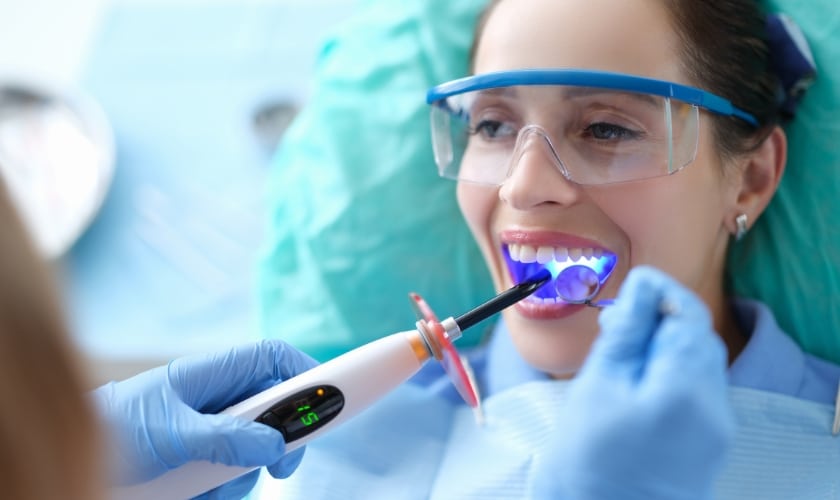
This blog discusses the oral microbiome and its impact on inflammatory conditions, the immune system, and mental health. It emphasizes the importance of oral health for a healthier life and the integration of dental and medical care.
The Oral-Systemic Link
Cardiovascular diseases:
Poor oral health increases cardiovascular disease risk due to gum disease bacteria and inflammation, causing plaque formation in arteries, narrowed blood vessels, and potentially heart problems.
Diabetes:
Diabetes patients are at higher risk for gum disease due to reduced immunity and impaired wound healing, while untreated gum disease can hinder blood sugar control, causing diabetes complications.
Respiratory infections:
Oral infections like gum disease can heighten the likelihood of respiratory infections like pneumonia, particularly in older adults or those with compromised immune systems.
Pregnancy complications:
Gum disease during pregnancy increases preterm birth and low birth weight risk due to inflammation and immune response, emphasizing the importance of maintaining good oral hygiene.
Alzheimer’s disease:
Research indicates a link between oral health and cognitive decline, with chronic gum inflammation potentially contributing to Alzheimer’s disease progression and neurodegenerative processes.
The oral-systemic link underscores the importance of comprehensive healthcare, emphasizing the need for regular dental check-ups and proper oral hygiene practices to reduce the risk of systemic diseases.
The Role Of Oral Microbiome
The oral microbiome refers to the complex community of microorganisms that reside in the mouth, including bacteria, viruses, fungi, and other microbes. It is crucial in maintaining oral health and significantly impacts overall health and well-being.
Impact on Inflammatory Diseases:
The oral microbiome can impact inflammatory diseases like gum disease, leading to overgrowth of harmful bacteria, systemic inflammation, and increased risk of cardiovascular and rheumatoid arthritis.
Influence on the Immune System:
The oral microbiome plays a crucial role in maintaining oral health and promoting a balanced immune response, while dysbiosis can compromise immune defense and contribute to chronic inflammation.
Impact on Mental Health:
Research shows a link between oral microbiome and mental health disorders like depression and anxiety. Imbalanced microbiomes can disrupt gut-brain communication, affecting mood regulation and cognitive function.
Maintaining a healthy oral microbiome through proper dental cleaning and a diet rich in fruits, vegetables, and probiotics can improve oral health, reduce inflammation, enhance immune function, and promote overall well-being, reducing the risk of inflammatory diseases.
Oral Health Indicators
Monitoring oral health is crucial for maintaining healthy teeth and gums and can indicate underlying health issues, including common oral issues that may indicate broader health concerns.
Gum disease (periodontal disease):
Gum disease, characterized by inflammation and infection, may indicate systemic health issues, including cardiovascular, diabetes, and respiratory infections. Address persistent inflammation, bleeding, or receding gums promptly.
Cavities (dental caries):
Tooth decay, or cavities, can be caused by poor oral hygiene, frequent sugary or acidic consumption, fluoride toxicity, dietary deficiencies, and poor nutritional habits.
Tooth grinding (bruxism):
Grinding your teeth can result in worn-out teeth, jaw pain, and headaches. It can also be a sign of underlying psychological or physical problems that need to be addressed. Grinding your teeth is frequently brought on by stress or sleep troubles.
Dry mouth (xerostomia):
Chronic dry mouth increases the risk of cavities, gum disease, and oral infections. Regular dental check-ups and good oral hygiene practices help detect and manage potential health concerns, promoting overall well-being.
Practicing Good Oral Hygiene
Proper oral hygiene is fundamental in promoting optimal oral health and overall well-being. Listed below few important strategies for maintaining proper dental hygiene:
Brushing techniques and frequency:
Regularly brush your teeth twice a day with a soft toothbrush and fluoride toothpaste, focusing on the gumline to remove plaque and prevent gum disease.
Flossing and using mouthwash:
Daily flossing and mouthwashing are essential for maintaining oral hygiene, as they help remove plaque and food particles from between teeth, reduce bacteria, and freshen your breath.
Regular dental check-ups:
Regular dental visits with dental professionals can help identify early signs of oral issues, provide preventive care, and address any concerns.
Healthy dietary habits:
A balanced diet and good oral hygiene are essential for health. This includes fruits, vegetables, whole grains, lean proteins, and limiting sugary foods. It prevents dental issues and reduces the risk of disease.
Lifestyle Factors Influencing Oral Health And Well-Being
Several lifestyle choices can significantly impact both oral health and overall well-being. Following are some of the important variables to consider:
Tobacco and alcohol use:
Tobacco and excessive alcohol consumption can heighten the risk of gum disease, oral cancer, tooth loss, and delayed healing after dental procedures.
Diet and nutrition:
A balanced diet rich in fruits, vegetables, whole grains, lean proteins, and low-fat dairy supports healthy teeth and gums while reducing sugars and acids can prevent tooth decay.
Stress management:
Chronic stress can cause oral issues like bruxism and jaw clenching, requiring effective stress management techniques like exercise, meditation, or therapy to prevent damage and headaches.
Physical activity:
Regular physical activity improves oral health by promoting good blood circulation and maintaining a healthy weight. Positive lifestyle choices like quitting tobacco, managing stress, and staying active enhance oral health and overall well-being.
Integrating Dental And Medical Care
Here is the process of integrating dental and medical care, emphasizing its importance in providing holistic healthcare and its benefits for patients and healthcare providers.
Establishing Collaboration and Communication Channels
Collaboration and communication between dental and medical professionals is vital for integrated care. This involves information flow, coordinated care, and secure platforms.
Conducting Joint Training and Education Programs
Joint dental and medical training programs enhance knowledge of oral care and well-being. This improves patient care outcomes by facilitating cross-disciplinary discussions on topics like medication interactions and chronic disease impact.
Implementing Comprehensive Patient Screening
Dental and medical integration involves thorough patient screenings, including oral exams, periodontal evaluations, dental X-rays, and oral cancer screenings. This helps identify health conditions and risk factors.
Coordinating Treatment Plans
Coordination of treatment plans is vital for integrating dental and medical care. Dental professionals should consider patients’ medical records and oral health status, enabling comprehensive care strategies.
Emphasizing Preventive Care and Health Promotion
Integrating dental and medical care emphasizes preventive care and health promotion, educating patients about oral hygiene, regular visits, and healthy lifestyle habits. Collaborative programs detect early health issues for timely interventions.
Maintaining good oral health is crucial for overall well-being, as neglecting it can lead to various medical conditions. Regular brushing, flossing, and dental visits are essential for oral health. Seeking professional dental care can prevent early signs of oral issues, enhance overall health, and promote a happier life.