
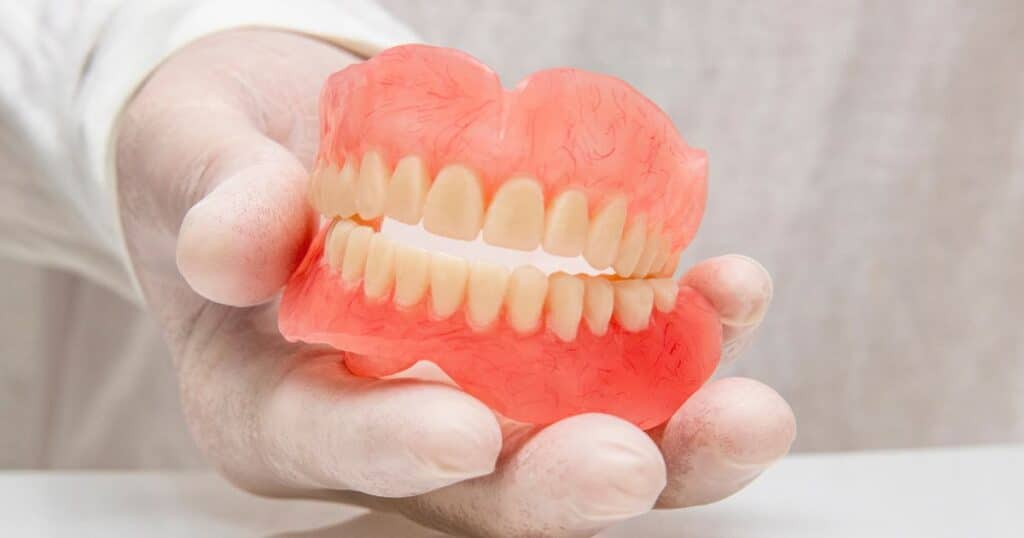
Wearing dentures can significantly improve your oral health and quality of life. Dentures restore functionality, allowing you to eat and speak with confidence. However, proper care is essential for maintaining both your dentures and your gums. Neglecting oral hygiene can lead to gum disease, irritation, and even infection.
Therefore, it is vital to adopt a routine that includes regular cleaning and care for your gums and dentures. By prioritizing gum health, you ensure your dentures fit well and function effectively, promoting overall oral well-being.
Understanding Dentures
Dentures are removable replacements for missing teeth and surrounding tissues. There are two main types: complete dentures and partial dentures. Complete dentures replace all teeth in the upper or lower jaw, while partial ones fill gaps when some natural teeth remain.
While they offer many benefits, they can also impact your oral health. Wearing them can change the shape of your gums and jawbone over time. The absence of natural teeth means less stimulation to the jawbone, leading to bone loss. This process can affect the fit of your dentures, requiring adjustments or replacements.
Therefore, it is crucial to understand the relationship between these prosthetic devices and oral health to maintain both.
Importance of Gum Care
Why Gums Matter?
Healthy gums are crucial for overall oral health. They provide support and stability for your dentures. Strong gums help prevent movement and discomfort while wearing these prosthetic devices.
Common Issues with Gums and Dentures
Gum irritation and inflammation can arise from poor denture fit or inadequate cleaning. Bacteria can accumulate under the dentures, leading to infections and soreness. Such issues can make wearing dentures uncomfortable. If left untreated, these problems can worsen, leading to severe complications.
Daily Oral Hygiene Routine
Brushing Your Dentures
You should brush your dentures daily to remove food particles and plaque. Use a soft-bristle brush and non-abrasive denture cleaner. Avoid regular toothpaste, as it can scratch the surface of your dentures.
Cleaning Your Gums
After removing these prosthetic devices, gently clean your gums with a soft toothbrush or gauze. This practice removes food particles and stimulates gum tissue, promoting blood circulation. Do not forget to clean your tongue, as bacteria can accumulate there, leading to bad breath.
Rinsing and Moisturizing
Rinse your mouth with water or a non-alcoholic mouthwash after meals. Staying hydrated is essential for maintaining moist gums. A dry mouth can lead to gum irritation and discomfort, so drink plenty of water throughout the day.
Dietary Considerations
Foods to Enjoy
A balanced diet is vital for gum health. Include nutrient-rich foods such as fruits, vegetables, whole grains, and lean proteins. Foods high in vitamin C, like oranges and strawberries, can strengthen your gums and immune system. Dairy products like yogurt and cheese promote saliva production, which helps wash away bacteria.
Foods to Avoid
Limit sugary foods and beverages, which can lead to gum irritation and dental decay. Acidic foods, like citrus fruits and soda, may also affect denture fit and gum health. Choose softer, non-irritating foods to prevent discomfort while eating.
Regular Dental Check-Ups
Why Regular Visits Are Crucial?
Regular dental check-ups are vital to maintaining oral health while wearing them. These visits allow your dentist to monitor the health of your gums and ensure your dentures fit correctly.
Over time, the shape of your mouth may change, which can affect how well your dentures fit. Regular assessments help identify potential issues early, such as gum disease or irritation, preventing complications that could lead to discomfort or infection.
What to Expect During Check-Ups?
During a typical check-up, your dentist will conduct a thorough examination of your mouth, focusing on your gums and the fit of these prosthetic devices. They may check for signs of inflammation, soreness, or infection. Your dentist will also assess how well your dentures align with your bite and make necessary adjustments for improved comfort.
Sometimes, the dentist might recommend professional cleaning to remove plaque and bacteria buildup from your dentures and gums. This proactive approach helps maintain both your oral hygiene and the longevity of these prosthetic devices, ensuring you enjoy a comfortable and healthy smile. Regular check-ups are essential for long-term denture success and gum health.
Managing Discomfort and Issues
Common Problems and Solutions
Some denture wearers experience sore spots, bad breath, or dry mouth. Sore spots may occur due to improper fit, so consider using dental adhesive or consult your dentist for adjustments. Bad breath can result from bacteria buildup; maintain good oral hygiene to combat this.
When to Seek Professional Help?
Consult a dentist if you notice persistent pain, swelling, or changes in gum color. These symptoms can indicate gum disease or other oral health issues. Early intervention can prevent complications and help you maintain a healthy mouth.
Lifestyle Tips for Denture Care
Avoiding Smoking and Alcohol
Smoking and excessive alcohol consumption can harm your gums and overall oral health. These habits can lead to gum disease and dry mouth and increase the risk of infections.
Staying Hydrated
Drink plenty of water daily to keep your mouth moist. Hydration is crucial for overall gum health, and a well-hydrated mouth helps prevent irritation and discomfort while wearing these prosthetic devices.
Caring for your gums and oral health is essential when wearing dentures. Proper hygiene and regular dental visits can help you maintain a healthy mouth. By adopting proactive oral care practices, you can enjoy the benefits of these prosthetic devices without discomfort. Prioritize your gum health for a confident and comfortable smile.