
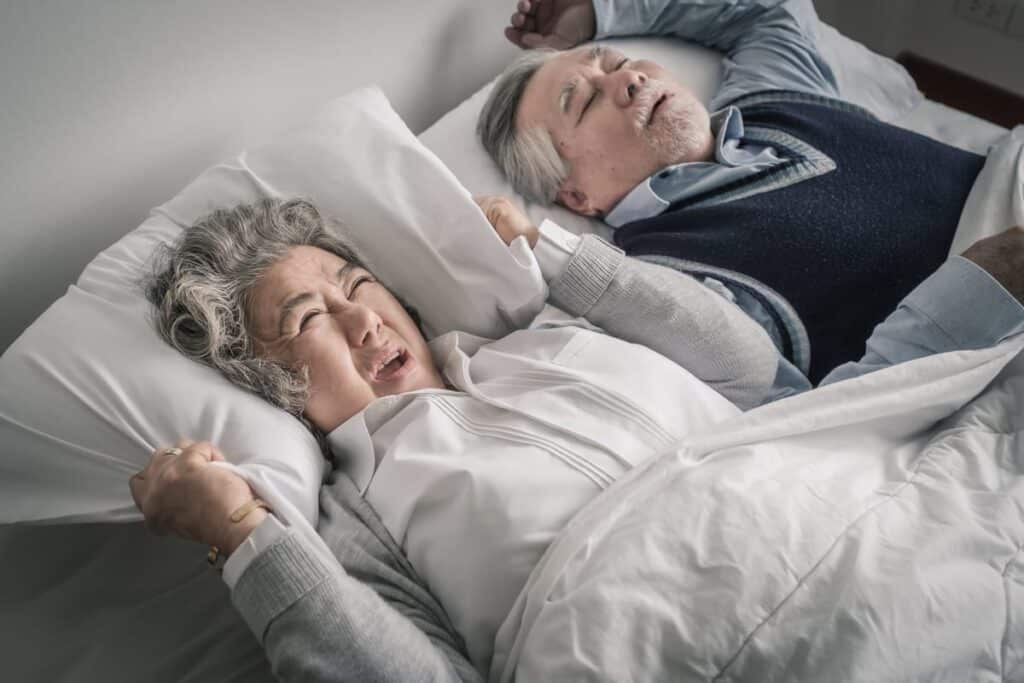
If you wake up exhausted every morning, you may be wondering: is sleep apnea treatment right for you? Our candidacy guide for Manvel patients answers exactly that. At Manvel Dental & Implant Center, Dr. Samuel Collins helps local residents understand whether they qualify for treatment. This article walks you through the signs, the evaluation process, and the factors that shape the best approach for your needs.
What Is Sleep Apnea and Why Does Candidacy Matter in Manvel?
Sleep apnea is a condition where breathing repeatedly stops during sleep. These pauses can happen dozens — even hundreds — of times each night. Left untreated, it raises your risk for heart disease, high blood pressure, and daytime accidents.
Not every snorer has sleep apnea. And not every sleep apnea patient needs the same treatment. That is why determining candidacy is the most important first step. The right treatment depends on your specific symptoms, anatomy, and health history.
In Manvel, TX, many adults live with undiagnosed sleep apnea. They assume poor sleep is normal or age-related. Dr. Collins encourages anyone with ongoing fatigue, loud snoring, or morning headaches to seek a professional evaluation.
Common Signs That Suggest You May Be a Candidate
Certain symptoms consistently point toward sleep apnea. Recognizing them early leads to faster, more effective treatment. Here are the most common warning signs our team looks for:
- Loud, chronic snoring that disturbs your partner
- Gasping or choking sounds during sleep
- Waking frequently throughout the night
- Excessive daytime sleepiness despite a full night in bed
- Morning headaches or dry mouth upon waking
- Difficulty concentrating or memory problems
- Mood changes such as irritability or depression
You do not need every symptom on this list. Even two or three of these signs can justify a professional evaluation. Dr. Collins reviews your full symptom picture before drawing any conclusions.
It is also worth noting that sleep apnea can occur without obvious snoring. Some patients — particularly women — experience quieter but equally disruptive symptoms. If something feels off about your sleep quality, trust that instinct and seek an evaluation.
What the Candidacy Evaluation Involves at Our Manvel Practice
The evaluation process at Manvel Dental & Implant Center is thorough but straightforward. Dr. Collins begins with a detailed health and sleep history. He asks about your symptoms, their duration, and how they affect your daily life.
He then performs a physical oral examination. This includes assessing your jaw, airway, tongue size, and throat structure. These factors directly influence which treatment options are appropriate for you.
In many cases, patients are referred for a sleep study. This can be done in a sleep clinic or at home with a portable monitor. The study measures your breathing patterns, oxygen levels, and sleep stages throughout the night.
Once results are available, Dr. Collins reviews everything in context. He considers your anatomy, your sleep study findings, and your lifestyle preferences. This full picture is what makes accurate candidacy determination possible.
Factors That Determine the Best Sleep Apnea Treatment Approach
No two patients are exactly alike. Several key factors guide which treatment is the right fit for you. Understanding these factors helps you participate meaningfully in your own care decisions.
Severity of apnea: Sleep apnea is classified as mild, moderate, or severe. Severity is measured by the number of breathing interruptions per hour. Milder cases often respond well to oral appliance therapy from a dentist.
Jaw and airway anatomy: The shape and position of your jaw affects airway space during sleep. Patients with certain jaw structures benefit greatly from custom oral appliances. Dr. Collins evaluates this carefully during your exam.
CPAP tolerance: CPAP therapy is a common treatment, but many patients struggle to wear the mask consistently. If you have tried CPAP and found it difficult, you may be an excellent candidate for a dental sleep appliance instead.
Overall health profile: Conditions like obesity, nasal congestion, or enlarged tonsils can affect candidacy. These are factored into every recommendation Dr. Collins makes.
Here is a quick summary of the main factors our team evaluates:
- Sleep apnea severity (AHI score from sleep study)
- Oral and jaw anatomy measurements
- Previous treatment history and tolerance
- Patient lifestyle and sleep position preferences
- Presence of related health conditions
How Sleep Apnea Treatment Fits Into Your Broader Dental Care
Sleep apnea treatment does not exist in isolation. It connects closely with your overall oral and general health. At Manvel Dental & Implant Center, we take a whole-patient approach to care.
During your regular teeth cleaning appointments, our team may notice oral signs linked to sleep apnea. These include tooth grinding patterns, jaw tension, and airway-related changes in the soft tissues. These observations often prompt important conversations about sleep health.
If you have experienced a dental emergency related to nighttime grinding or jaw clenching, that history matters too. Dental Emergency Manvel patients sometimes discover their underlying issue is sleep-related. Addressing sleep apnea can reduce the frequency of these urgent situations.
Similarly, patients considering Dental Implants Manvel should know that untreated sleep apnea may affect healing and long-term implant success. Dr. Collins coordinates care thoughtfully so all aspects of your dental health support each other.
Taking the Next Step: Your Sleep Apnea Consultation in Manvel
Deciding whether sleep apnea treatment is right for you starts with one straightforward conversation. Dr. Collins and his team at Manvel Dental & Implant Center are ready to guide you through every step. There is no pressure — only honest, educational support based on your individual needs.
Residents across Manvel, TX deserve restful, restorative sleep. If you have been living with exhaustion, snoring, or poor sleep quality, now is the time to find answers. A candidacy evaluation is the clearest path to understanding your options.
Your sleep quality affects your mood, your focus, and your long-term health. You deserve to feel rested and well. Book Now to schedule your appointment with our team.
Frequently Asked Questions
How do I know if I need a sleep study before starting treatment?
Most patients benefit from a formal sleep study before beginning any treatment. The study provides objective data about the frequency and severity of your breathing interruptions. Dr. Collins will review your symptoms and recommend whether an in-lab or home sleep test is most appropriate for your situation.
Can a dentist really treat sleep apnea?
Yes, dentists trained in dental sleep medicine can provide effective treatment for mild to moderate sleep apnea. They create custom oral appliances that reposition the jaw and keep the airway open during sleep. Dr. Collins has experience evaluating and treating sleep apnea patients right here in Manvel, TX.
What if I have already tried CPAP and it did not work for me?
CPAP intolerance is very common and you are not alone. Many patients who cannot tolerate CPAP find oral appliance therapy to be a comfortable and effective alternative. Dr. Collins will assess your specific case to determine whether you are a good candidate for this approach.
Is sleep apnea treatment a one-time fix or an ongoing process?
Treatment is typically an ongoing process that may involve periodic adjustments. Oral appliances may need to be updated over time as your jaw or sleep patterns change. Follow-up appointments allow Dr. Collins to monitor your progress and refine your treatment as needed.
How long does the candidacy evaluation take at Manvel Dental & Implant Center?
The initial evaluation appointment is usually completed within one hour. It includes a health history review, an oral examination, and a discussion of your symptoms and goals. If a sleep study is needed, that step occurs separately before treatment planning begins.